Non-Surgical Hair Treatments: PRP, Mesotherapy & Exosomes
Not all hair loss requires an operating room. There are non-surgical hair treatments that help slow shedding, strengthen the follicle, and densify existing hair. Hair PRP in Panama, mesotherapy, and exosomes are the most requested regenerative options—ideal for early stages or as a complement to a transplant.
In this guide we explain what each treatment is, who it’s designed for, and how they combine with a hair transplant as part of a comprehensive hair-health strategy.
What are regenerative hair treatments?
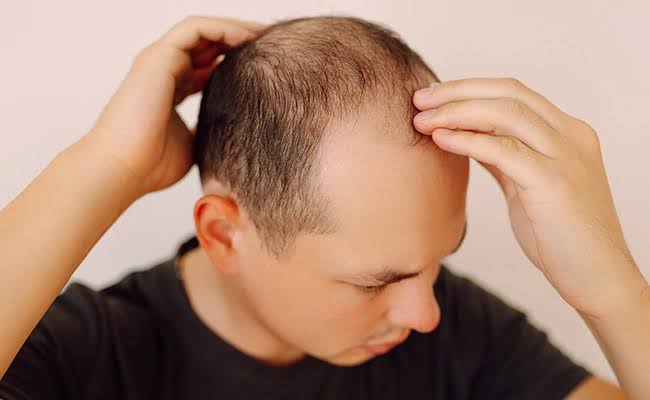
They are minimally invasive procedures that aim to improve the scalp environment and stimulate the follicles, without surgery. They don’t transplant new hair, but they can improve the quality and density of what you have and, in many cases, slow the progression of alopecia. They’re performed in outpatient sessions and require no recovery time.
Hair PRP (platelet-rich plasma)
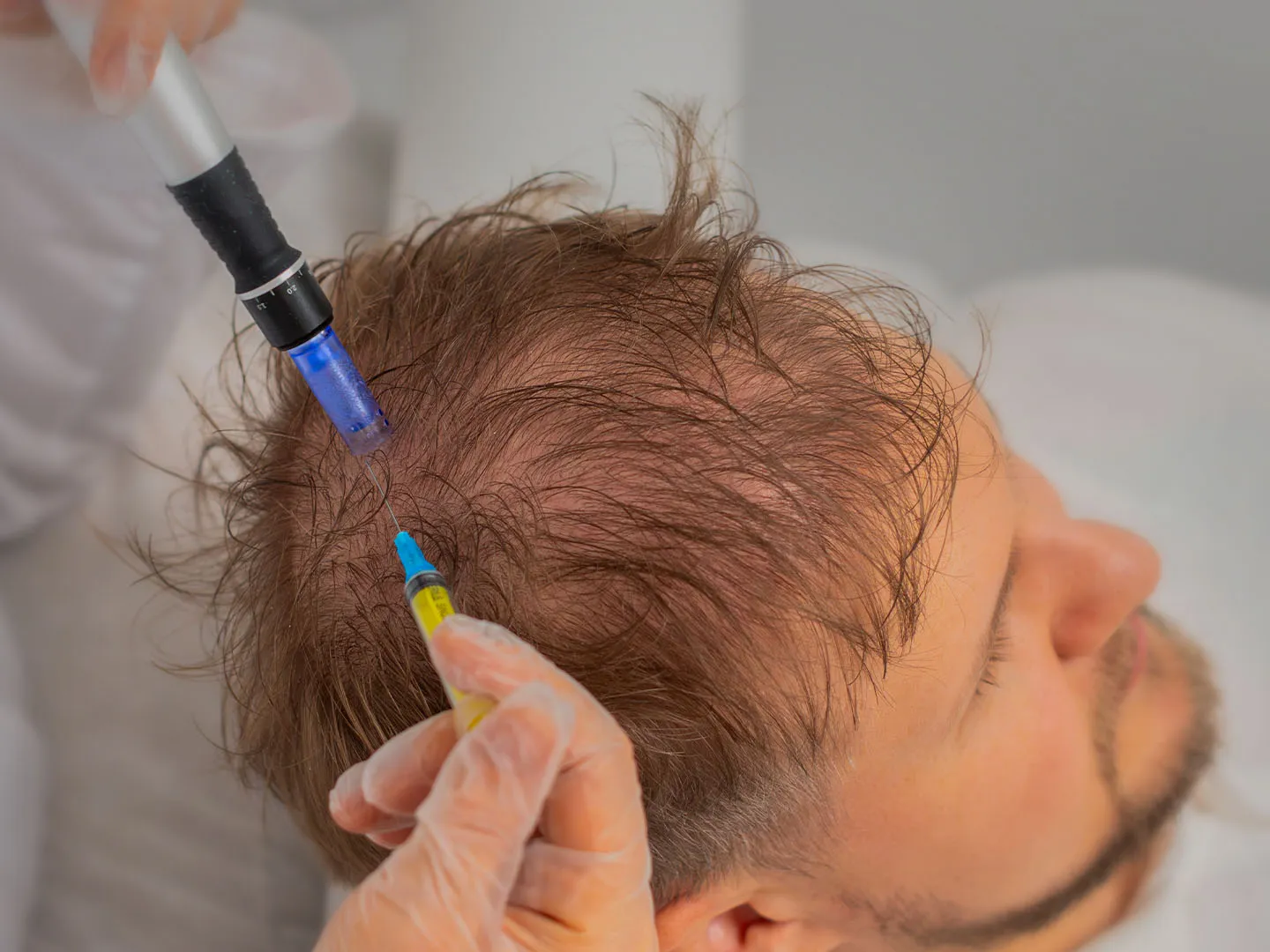
PRP is probably the best-known regenerative treatment. The process is simple: a small sample of your own blood is drawn, centrifuged to concentrate the platelets and growth factors, and that plasma is applied to the scalp through micro-injections.
The growth factors aim to stimulate the follicles, improve blood supply, and promote stronger hair. Because it uses your own biological material, it is very well tolerated. It’s usually performed in several spaced sessions with periodic maintenance.
Who is hair PRP for?
- People with early-stage thinning.
- Patients who want to strengthen existing hair.
- As a complement after a transplant, to support the follicular environment.
Hair mesotherapy
Mesotherapy involves applying, through superficial micro-injections, a cocktail of vitamins, amino acids, minerals, and other actives directly into the scalp. The goal is to nourish the follicle and create a favorable environment for growth. It’s personalized to each patient’s needs and also performed in sessions.
Exosomes
Exosomes represent one of the most recent lines in hair regeneration. They are tiny vesicles that carry cellular signals (growth factors and other molecules) intended to enhance cell communication and follicle activity. They’re applied similarly to the other therapies and are usually considered in cases seeking additional stimulation. As an evolving technology, it should always be prescribed under professional judgment and with realistic expectations.
Quick comparison
| Treatment | What it provides | Ideal for |
|---|---|---|
| PRP | Growth factors from your own blood | Strengthening and densifying; complement to a transplant |
| Mesotherapy | Nutrients and actives straight to the follicle | Nourishing the scalp, supporting growth |
| Exosomes | Regenerative cellular signals | Additional stimulation in selected cases |
Do they replace a hair transplant?
Not exactly. These therapies improve and maintain the hair you still have, but they don’t create density where the follicle has already stopped producing. When there are completely bald zones, the definitive solution is still a hair transplant. The best strategy is usually combined: a transplant where coverage is needed and regenerative therapies to care for and boost the rest.
Think of it as a comprehensive plan: the transplant rebuilds, the therapies maintain. Together, they protect your investment and prolong a good result over time.
PRP and hair therapies in Panama
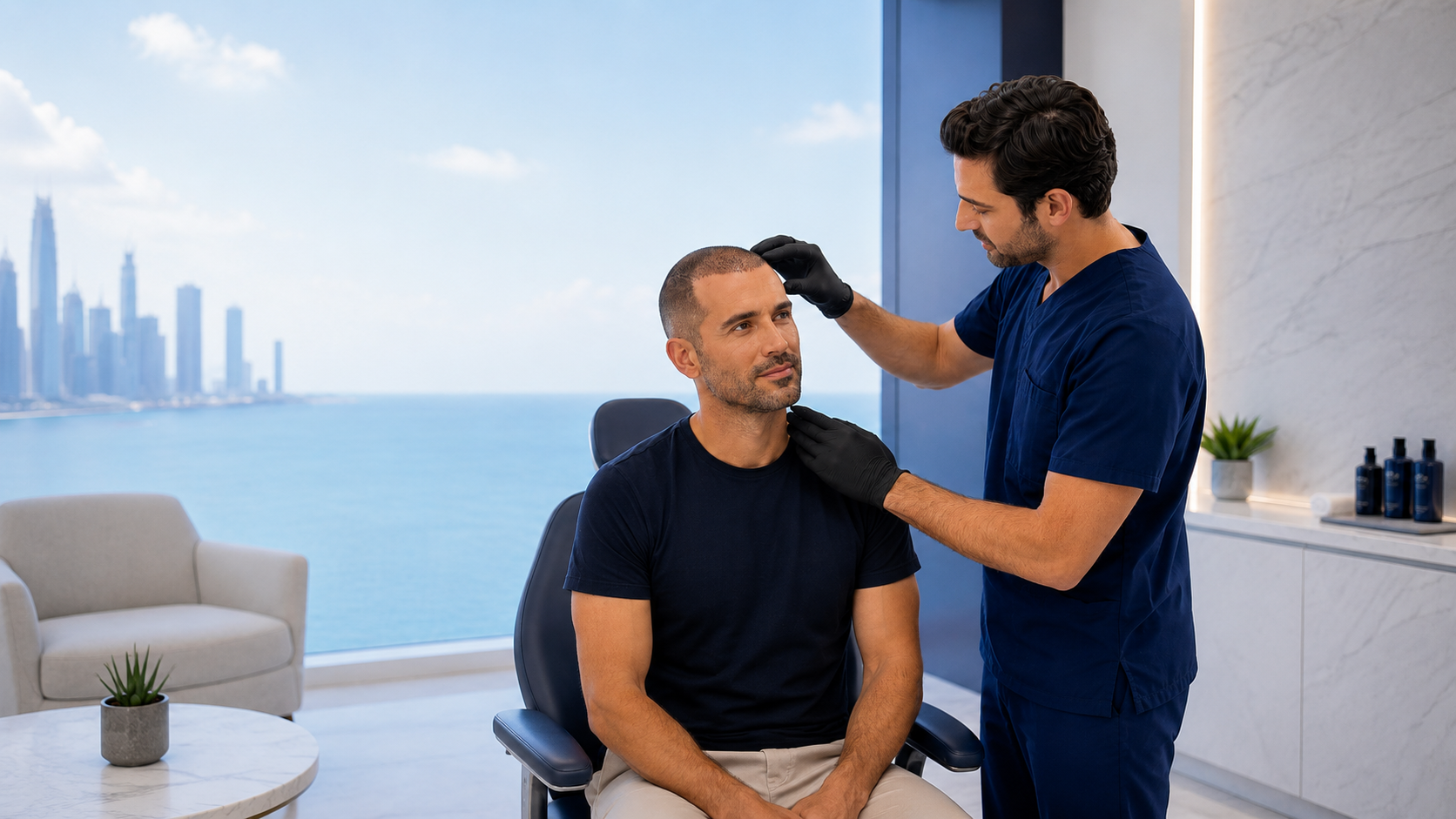
Panama offers these therapies within an increasingly solid hair restoration medical tourism ecosystem in Latin America. For patients from the region and the United States, it’s a nearby, accessible option versus distant destinations like Turkey, with the advantage of combining diagnosis, transplant, and maintenance in one place.
What a session looks like, step by step
Although each therapy has its particularities, a typical hair PRP session follows a simple, outpatient scheme:
- Draw: a small blood sample is taken, like in a routine test.
- Centrifugation: the sample is processed to separate and concentrate the platelet-rich plasma.
- Scalp preparation: the area is cleaned and, if desired, a topical anesthetic is applied for comfort.
- Application: the plasma is infiltrated via micro-injections into the areas to be treated.
- Immediate discharge: you can resume your day normally; no rest required.
Mesotherapy and exosomes follow a similar application logic, adapting the product to each case.
When are results visible?
Unlike a transplant, whose result is judged at one year, regenerative therapies act more subtly and progressively. After several sessions, many patients notice hair that sheds less, looks stronger, and has a better overall appearance. They don’t create density where the follicle has already died, but they can appreciably improve the quality of existing hair and support its permanence. Consistency is key: these are maintenance treatments, not one-off ones.
Recommended combinations
These therapies shine when integrated into a plan:
- PRP + transplant: to support the follicular environment after surgery and densify the result.
- Mesotherapy + healthy habits: nourishing the follicle while correcting factors like stress or deficiencies.
- Therapies + medical treatment: as indicated, to slow the progression of androgenetic alopecia.
The professional defines the best combination based on your diagnosis and goals.
Care between sessions
To get the most out of them, it helps to maintain a good hair routine, avoid heat and harsh products, watch your diet, and respect the session schedule. A healthy scalp is the best ally of any regenerative therapy.
Myths about non-surgical treatments
“PRP grows hair where there’s none left”
No. PRP stimulates existing follicles; it doesn’t revive follicles that have already stopped producing. For those zones, the solution is a transplant.
“One session is enough”
These are progressive treatments that require several sessions and maintenance to sustain the effect.
“They fully replace a transplant”
They are complementary. The best strategy usually combines both according to each case.
Who is a regenerative therapy NOT ideal for?
Being honest also means saying when these therapies aren’t the best option. PRP, mesotherapy, and exosomes don’t create density in zones where the follicle has already died: there, the only real solution is a transplant. Nor do they replace the medical management of an active autoimmune alopecia or correct on their own causes such as nutritional deficiencies or hormonal disorders, which must be treated in parallel. And because they are progressive treatments, they aren’t for someone seeking an immediate change from a single session. A good professional will tell you clearly what to expect from each option.
Key differences between PRP, mesotherapy, and exosomes
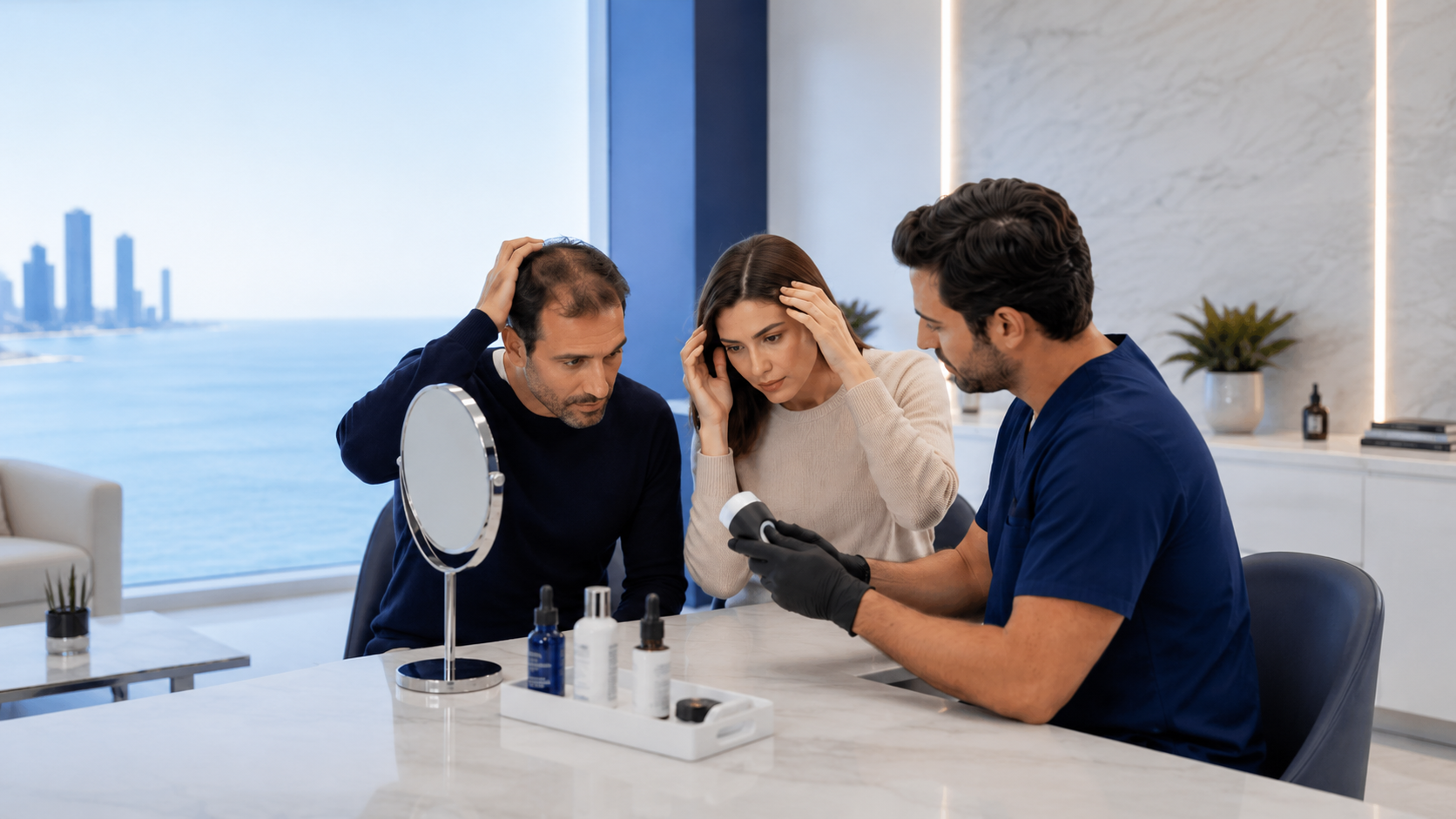
Although they’re applied similarly, each acts differently. PRP harnesses the growth factors from your own blood. Mesotherapy delivers an external cocktail of nutrients and actives directly to the scalp. Exosomes introduce regenerative cellular signals and represent the most recent line. They don’t compete with each other: they’re often chosen or combined based on the goal, the stage of the alopecia, and each patient’s characteristics. The right decision always comes from a personalized diagnosis.
Frequently asked questions
Does PRP hurt?
They are well-tolerated micro-injections; discomfort is usually minimal and requires no recovery.
How many sessions do I need?
It depends on the case and treatment. Several initial sessions followed by maintenance are common. It’s defined in your evaluation.
Can I get PRP after a transplant?
Yes, it’s a frequent combination to support the follicular environment and densify the result.
Want to know if you’re a candidate? Message us on WhatsApp for your evaluation.